Roots to Remedy:
Community Herb School
An in-person course to gain tools in community-focused herbal medicine
7 sessions fortnightly
2027 dates: Wednesday 10th March - Wednesday 9th June, 10am-4pm
Course overview
This course seeks to support resilience and adaptability in engaging with our individual and community health - equipping us with robust tools and practices to contribute to collective, whole-systems healthcare with herbal medicine - in ways that acknowledge and respond to our living systems and conditions.
Through the programme you will learn practical medicine making skills, seasonal plant identification, and approaches to understanding the human body and healthcare balance using biomedical, and energetic & constitutional models. This means learning anatomy, physiology, health & illness conceptualised both through scientifically described processes, and traditional frameworks that identify individual temperaments and elemental, systemic connections.
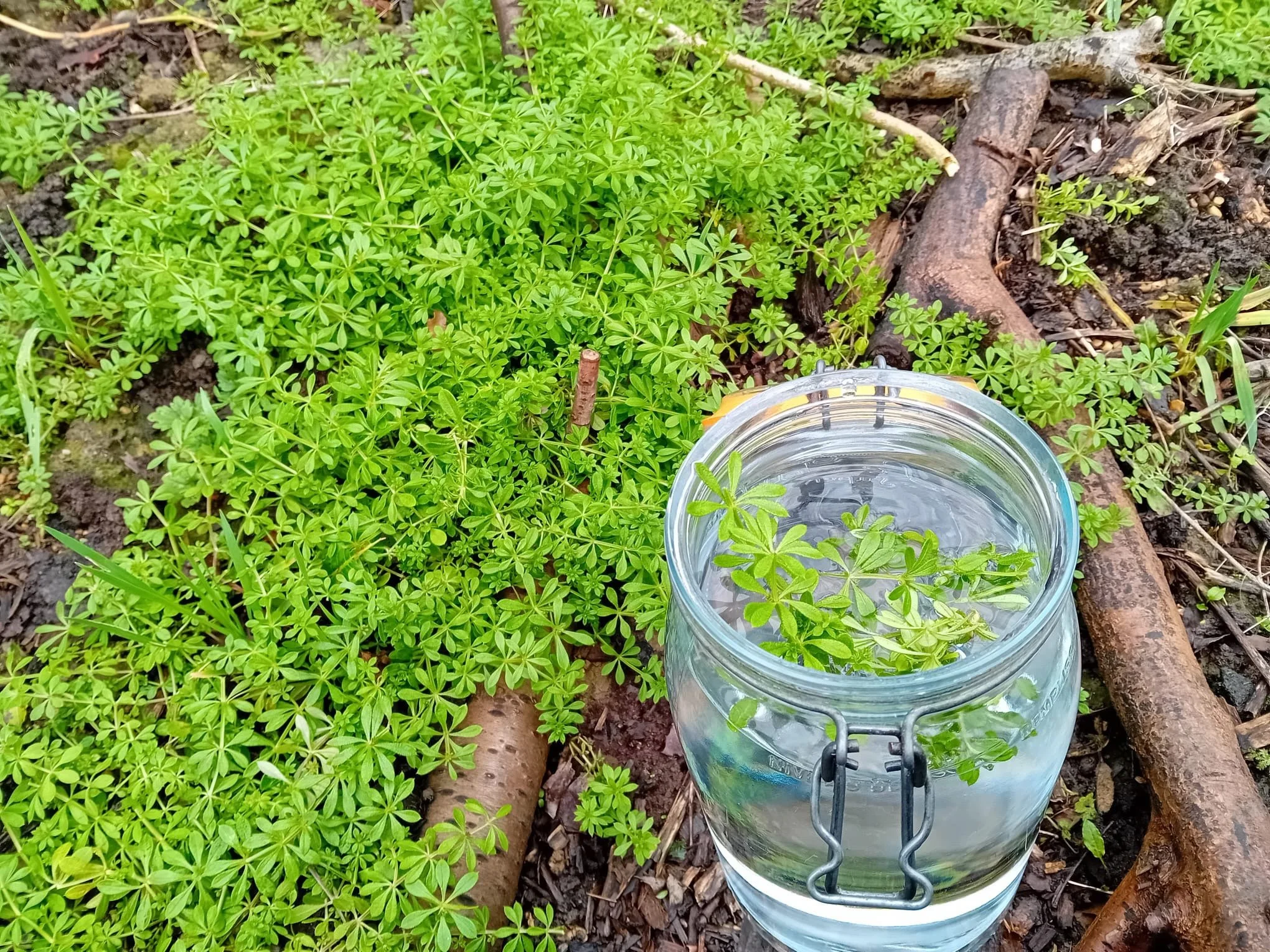
In each session we will focus on a specific body system and herbs/preparations connected with it, to understand common health situations and herbal approaches to these. For each module we will offer a list of 5-10 plants with affinity for that body system, and explore 2 in depth - you’ll have the chance to meet and connect with new plants that you don’t know and build your relationships that those that you are already familiar with.
Alongside this learning, we will accompany you in considering the elements of “community herbalism” that speak to you, supporting you to create a project of your own, and gain confidence in applying and transmitting your learning beyond the time of the course. This can be expressed in a form of your choice, here are some examples but you are free to think about your needs and desires and imagine your own process with this part of the course:
connecting with a plant or or place; asking what supports healthy systems in your life; gathering a herb store; making a zine; researching a particular theme; starting a herb circle in your area; devising a workshop; planning the content and reach of a herb garden; creating a remedy for a specific purpose, putting together your home apothecary, etc…
The overall aim of this course is to effectively train participants in key practical plant medicine skills and knowledge that you will carry forward with you, developing your own creative herbal practice - holding and framing this practice within a larger context of responding to needs for healing, in our human and ecosystem communities.
We invite adults (18+) with a keen interest in herbal medicine who want to gain confidence in furthering your knowledge and skills for practical application and engagement in your community. The aim of this course is to connect the learning and practice of herbal medicine with the broader systems that we live within, and to explore its role in responding to resulting imbalances and disruption to our individual and collective health. You might be looking to bring herbal medicine into your life as a regular, future-protecting daily practice, to share it with others in supportive ways, or to vitalise and strengthen your work if you are someone doing land-based, environmental, educational, social, community, activism or health-related activity.
15 participants will take part in the course.
We encourage people of all backgrounds to take part, and we welcome all levels and forms of herbal medicine knowledge. The content is varied and designed so that students acquire and practice with new tools of herbal medicine in all aspects of the course, to take forward with you and embed in your life as you go on. We are keen to make space for sharing of intercultural herbal knowledge to enrich our collective learning and relationships.
Who this course is for
Week 1: Wednesday 10th March, 10am-5pm, Hornbeam Centre: Our Intertwining Roots: Radical Herbal Histories
How do we know and learn herbs as medicine? What different modes of knowledge production and sharing can we access across time and space? Our introductory module frames the polyglot nature of herbalism: connecting living ancestral and intercultural archives, conveying values and principles around history as collective practice and giving you a foundation for your own personal journey into this potent and exciting field of plant-human inter-relationship and healthcare.
Body system focus: heart & blood
Week 2: Wednesday 24th March, 10am-4pm, Mulberry Close garden - Apical Meristems: Meeting Beloved Plants of Healing
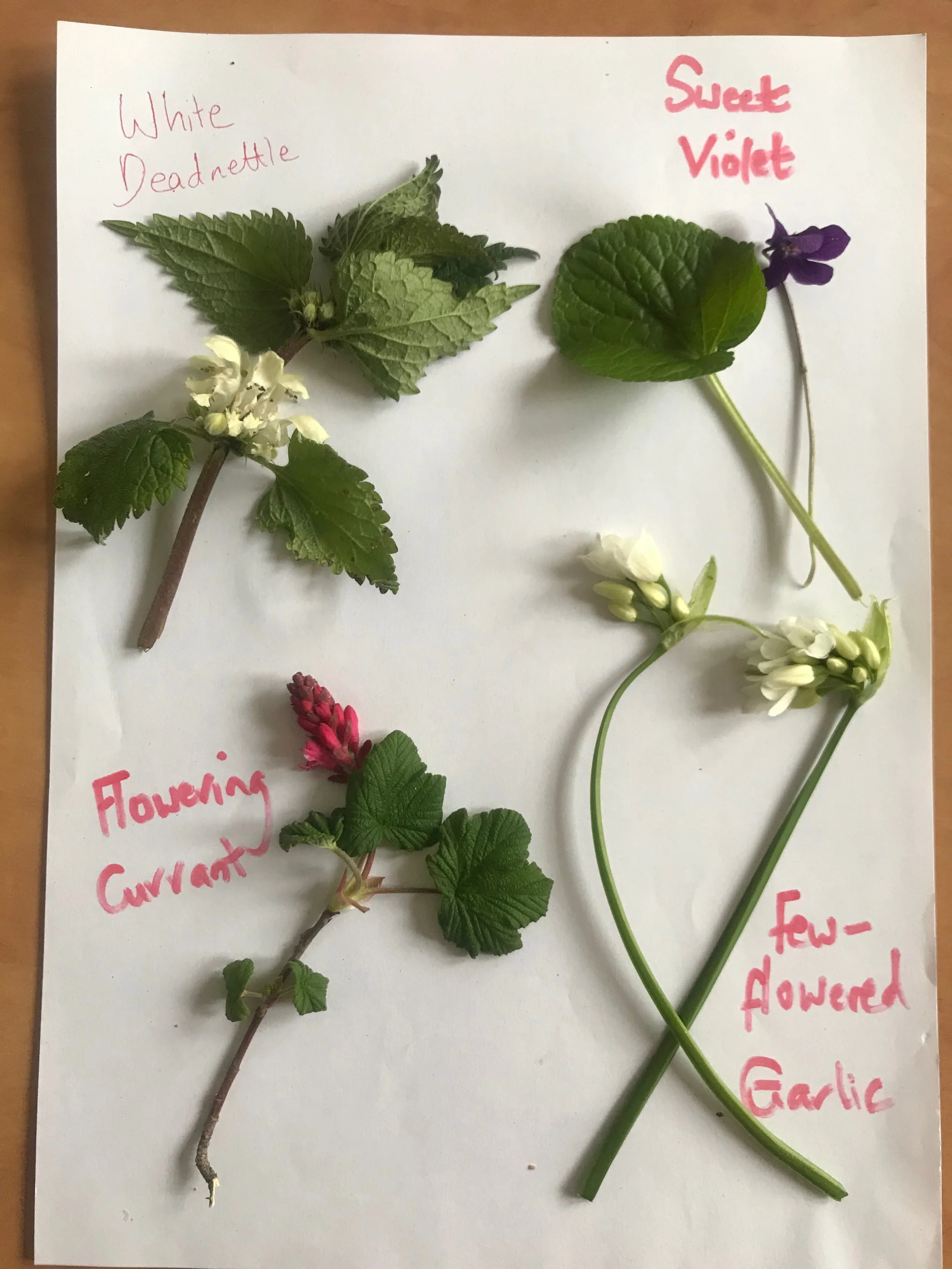
In our second module, in the garden, we will gather in living communication with medicinal plants, meeting a number of our valued medicinal herbs, encountering different modes of transmission of knowledge, activating our sensing bodies and exploring the queering of ecology and herbalism as inspiration for holism and appreciation of systemic connections in healthcare. Learning plant recognition processes, reciprocal relating and developing a live herb monograph.
Body system focus: breathing & respiration, sensoria (nervous system)
Week 3: Wednesday 7th April, 10am-4pm, Hornbeam Centre - Collaborative Webs, Nodes & Edges of Nourishment: what is community herbalism and how can it be effective?
How can we act together in cooperative healthcare for ecosystems and human beings? Herbal practice as mutualism, community-building, earth-stewarding and response to injustice. We will explore specific threads of green medicine in healthcare inequity, approaches to strengthening ecological commons and visioning how you can diffuse out your learning and practice through the prism of your own passions, in your circles and communities.
Body system focus: genital & hormonal
Week 4: Wednesday 28th April, 10am-4pm, Mulberry Close garden - Hands-on herbwork in the cosmos: garden cultivation, care, wildcrafting, harvesting, processing in preparation for medicine making
Back to the garden for some practical learning and knowledge-gathering about growing conditions, choosing for and developing a medicine garden for your (and your community’s) needs, seasonality of the herbal year from buds to roots and all the plant parts in between. Learn about best practices for nurturing, gleaning and garbling, making and storing good quality, intentional, potent plant medicines as part of your ‘season-scape’ and the earth’s rotation around the sun.
Body system focus: urinary & lymphatic flow for balance
Week 5: Wednesday 12th May, 10am-4pm, Hornbeam Centre - Alchemy & craft: practical herbal pharmacy & tools for making medicine
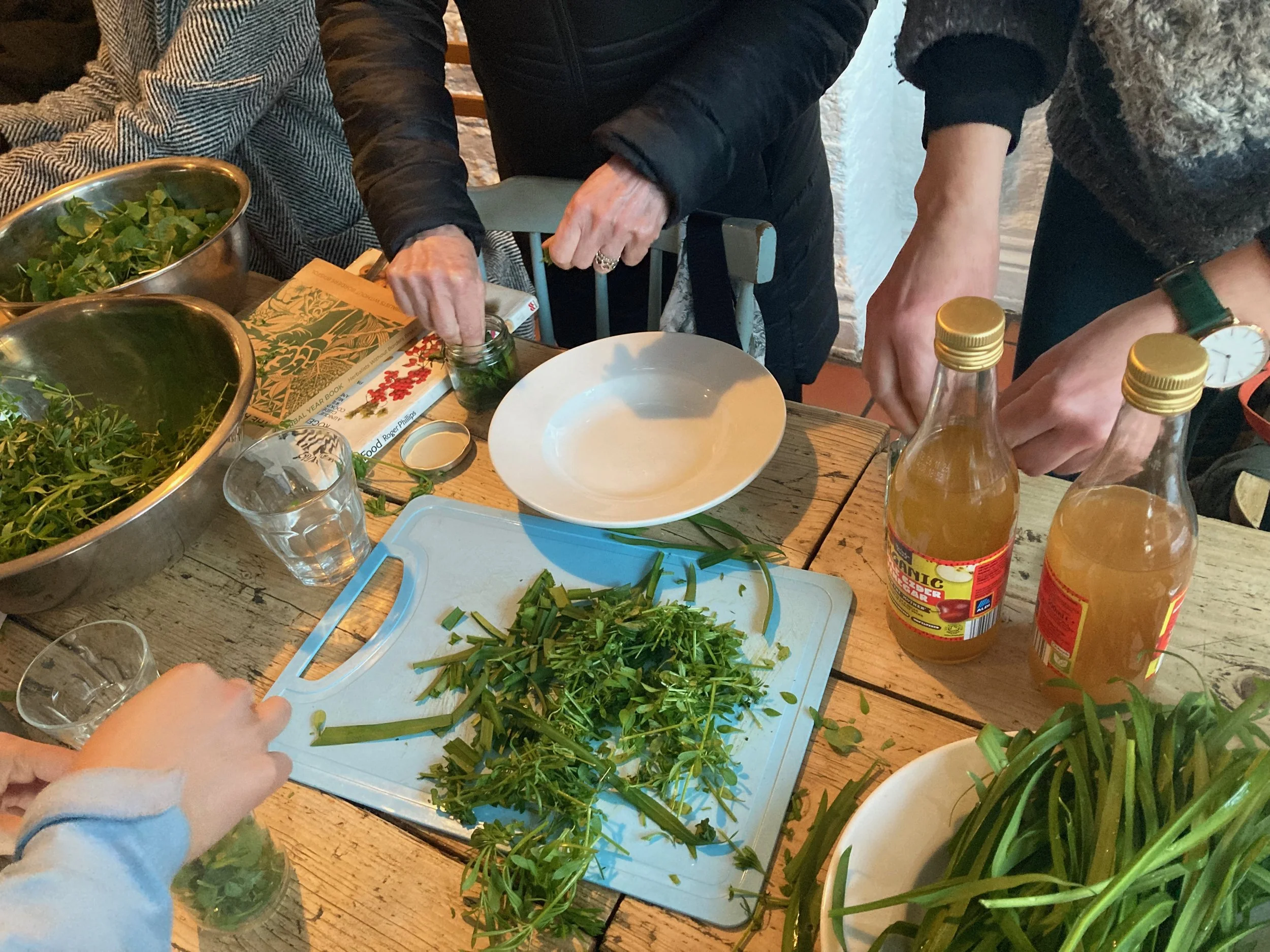
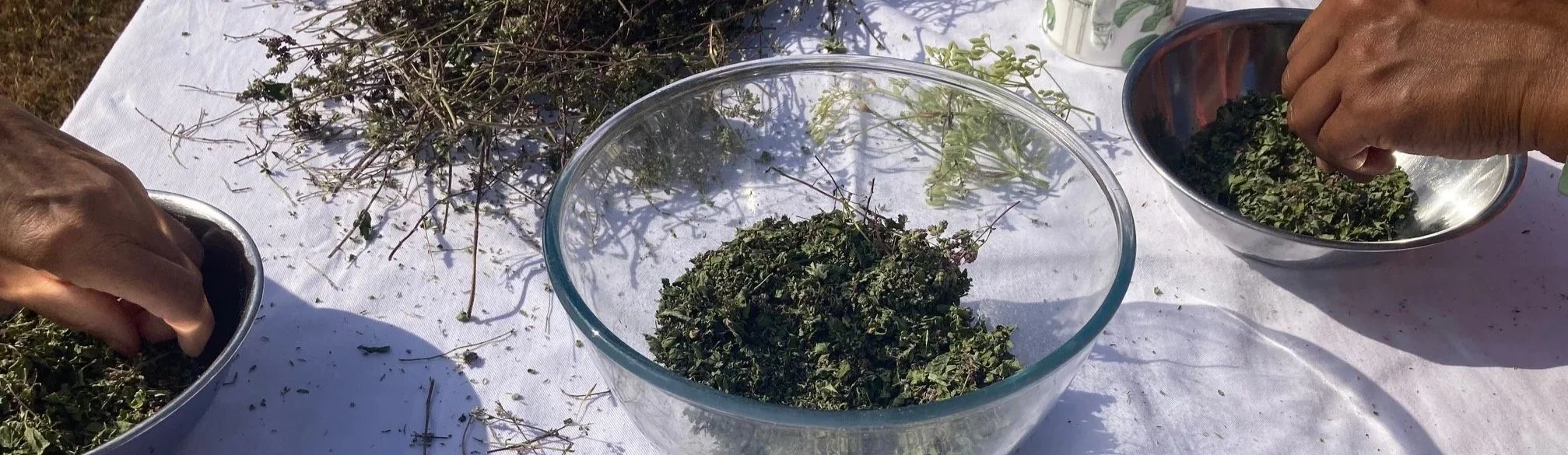
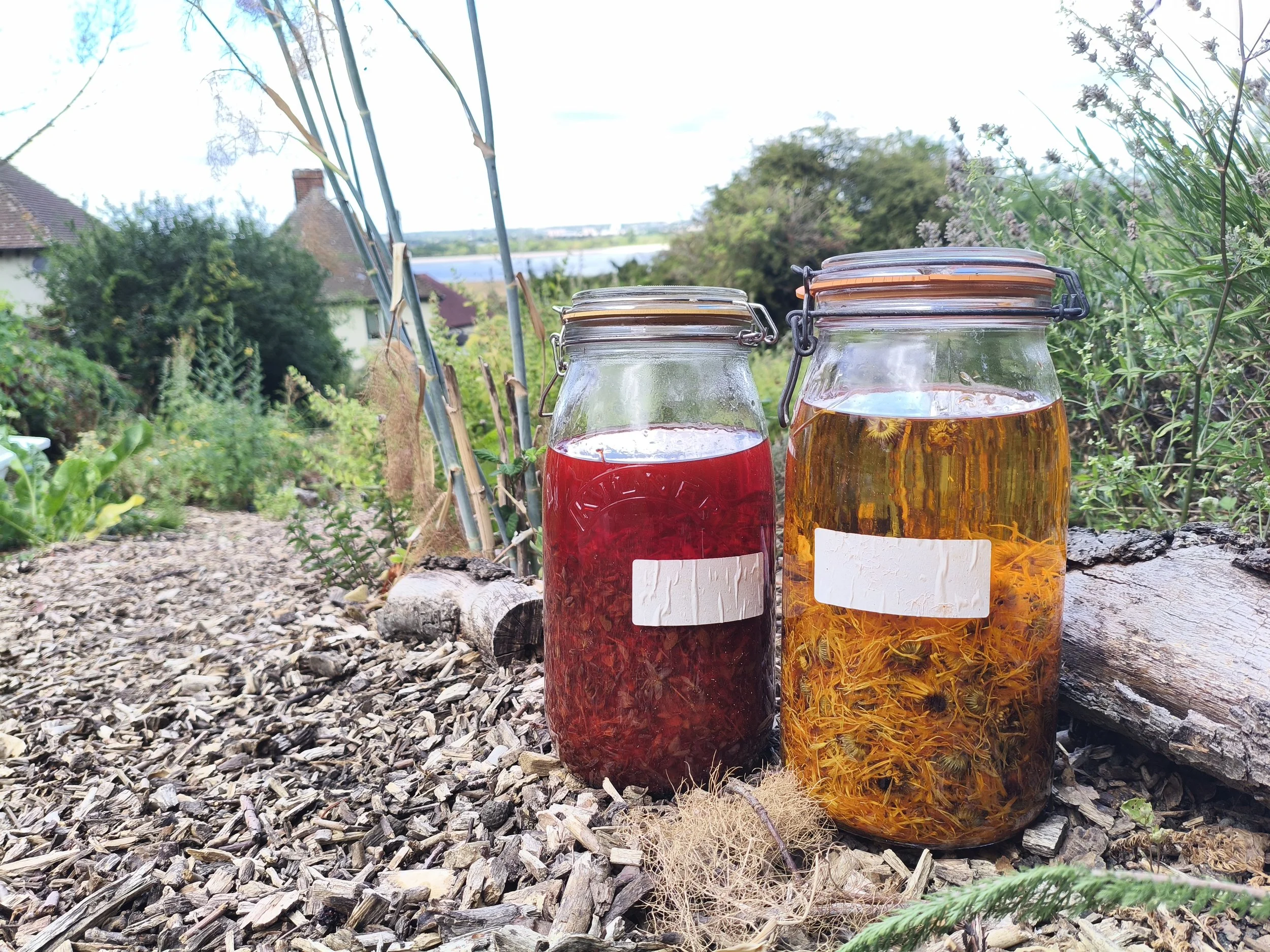
This day will be full of herbal preparations. From balms to electuaries, everyone will learn a new form of making. We will be making two remedies at a time, so each participant can choose which kinds of remedies you would like to learn for future practice. The benefits, requirements, chemical processes & appropriate applications of each remedy will be discussed and detailed so you can feel confident in your own experimentations.
Body system focus: digestive processing & metabolism
Week 6: Wednesday 26th May, 10am-4pm, Mulberry Close garden - Herbal First Aid & Safety: integrating the personal and the collective
To support confidence in the ways you will apply herbalism in your life, this session will look at safety and creating protocols. We will reference ethics, history and the law in the UK, discussing the role of herbalism in relationship with our health and conventional medicine, and clarifying scope of practice between medical herbalists and those of us working with herbs at home or in community. Considering different levels and ranges of skills in health from primary care to the ‘alternative’, who has access to what care, and our roles and allies in this work, this session will give you tools and confidence to approach healthcare safely and discerningly. We will then do some hands-on learning about incorporating herbal tools for everyday first-aid use.
Body system focus: skin & musculoskeletal
Week 7: Wednesday 9th June, 10am-4pm, Hornbeam Centre - Presentations of projects + celebration
In this last session, each participant will present the projects you have been working on. We will exchange individual and collective learnings, and share food full of community and herbal medicine creativity.
Times and content
Venues
The sessions will alternate between:
indoor days at the Hornbeam Centre, 458 Hoe St, Walthamstow, London E17 9AH,
outdoor days at one of our Community Apothecary herb garden sites, an allotment in Chingford
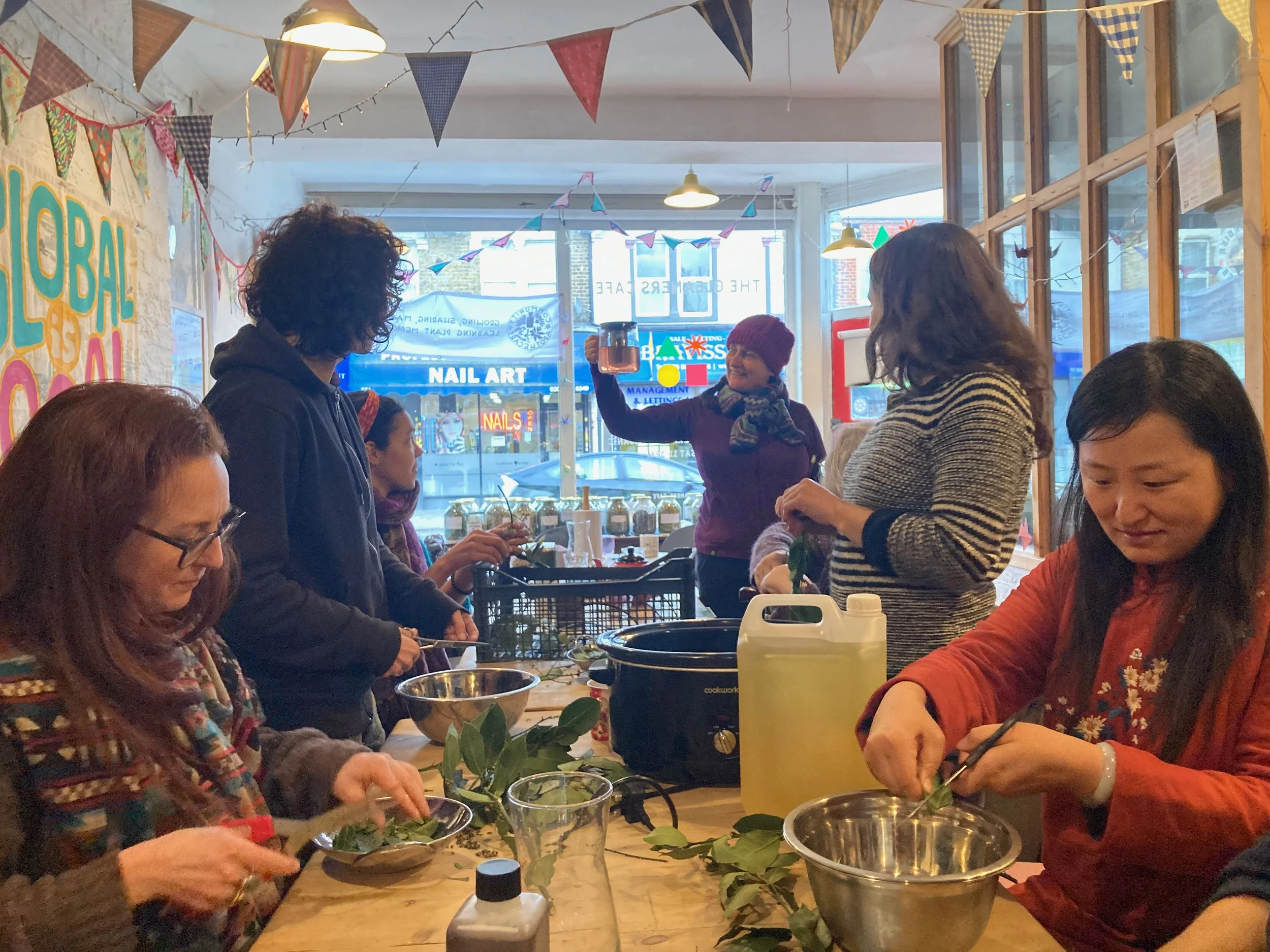
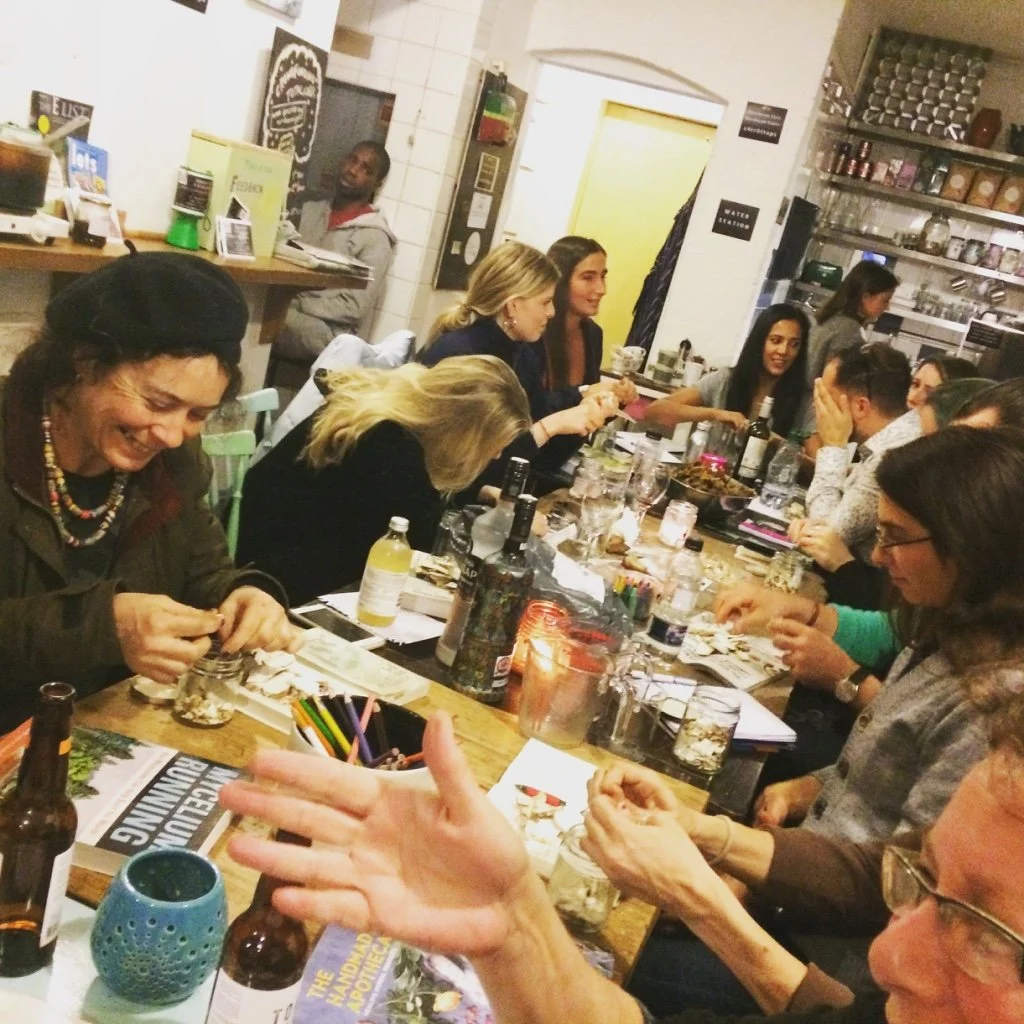
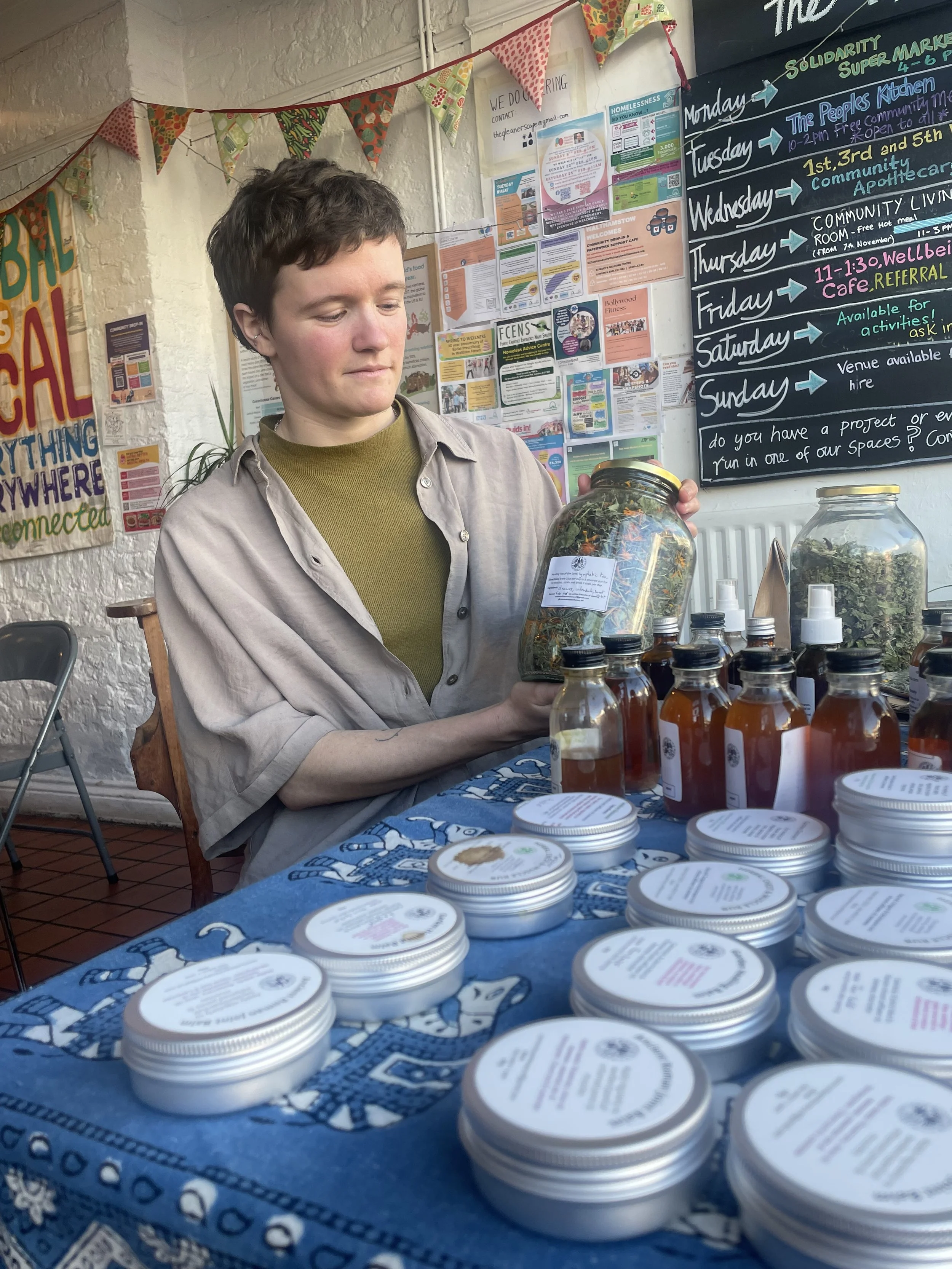
The Hornbeam is indoors, heated, with level access to a learning space with a kitchen, accessible toilet and electricity. Medicine making learning will happen here. Hornbeam has a long history of community organising. It hosts many projects, including our fortnightly community medicine making sessions. More information at https://www.hornbeam.org.uk/
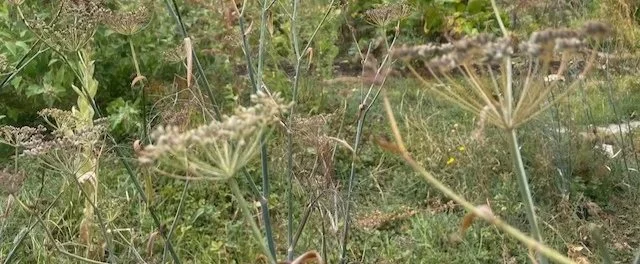
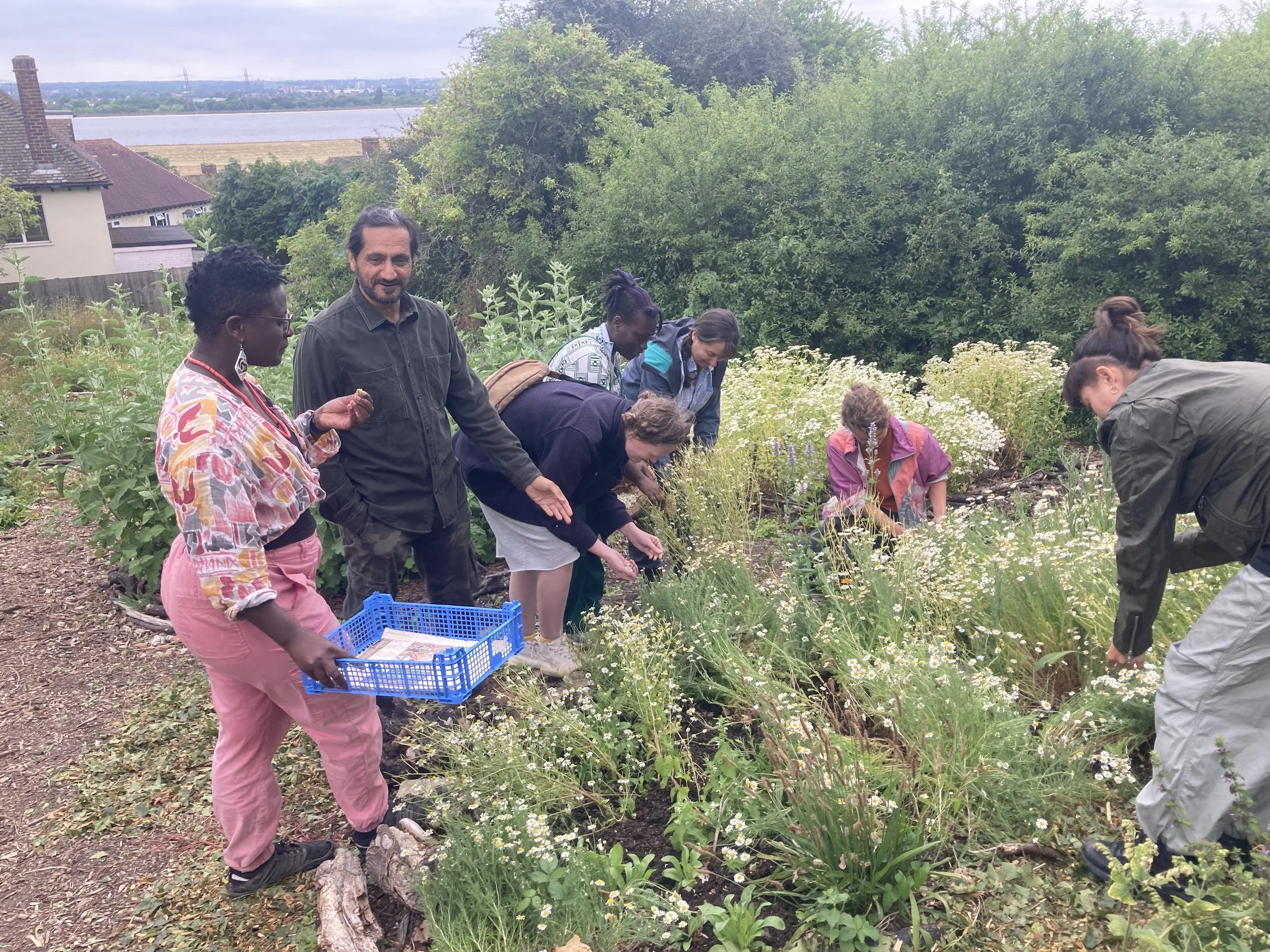
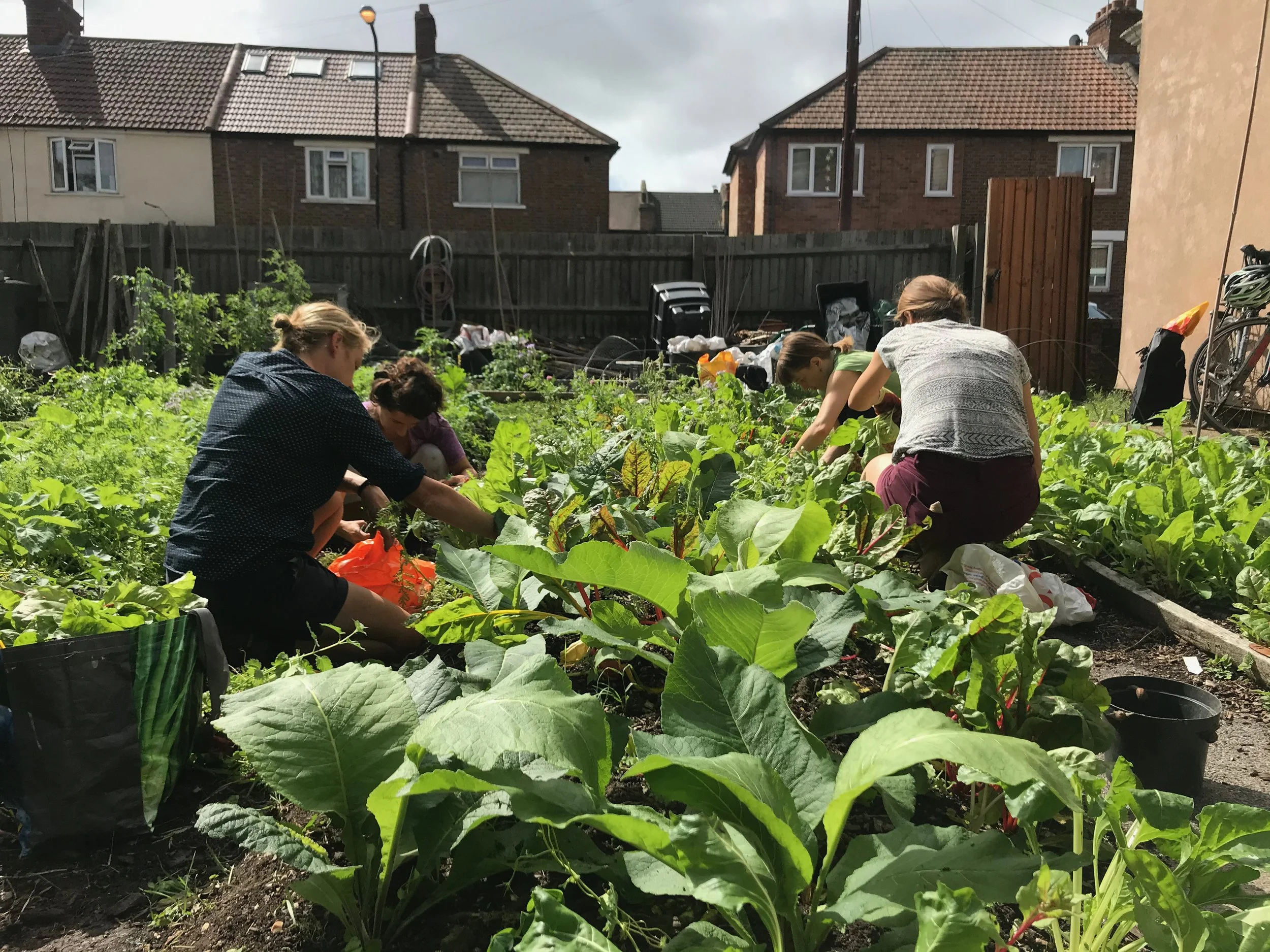
The garden venue is is outdoors, with no electricity and limited water - no running water supply). There is access to a compost toilet, and a large oak tree provides shade. Seating and tables available and outdoor classroom/shelter if raining. We have been stewarding this site since 2020 and it is home to over 40 medicinal plants, in beds, growing wild & part of a forest garden. The space will be used for outdoors learning with plants, seasonal connection and application of herbal medicine in specific field-based contexts.
What we provide
Herbal tea through the day
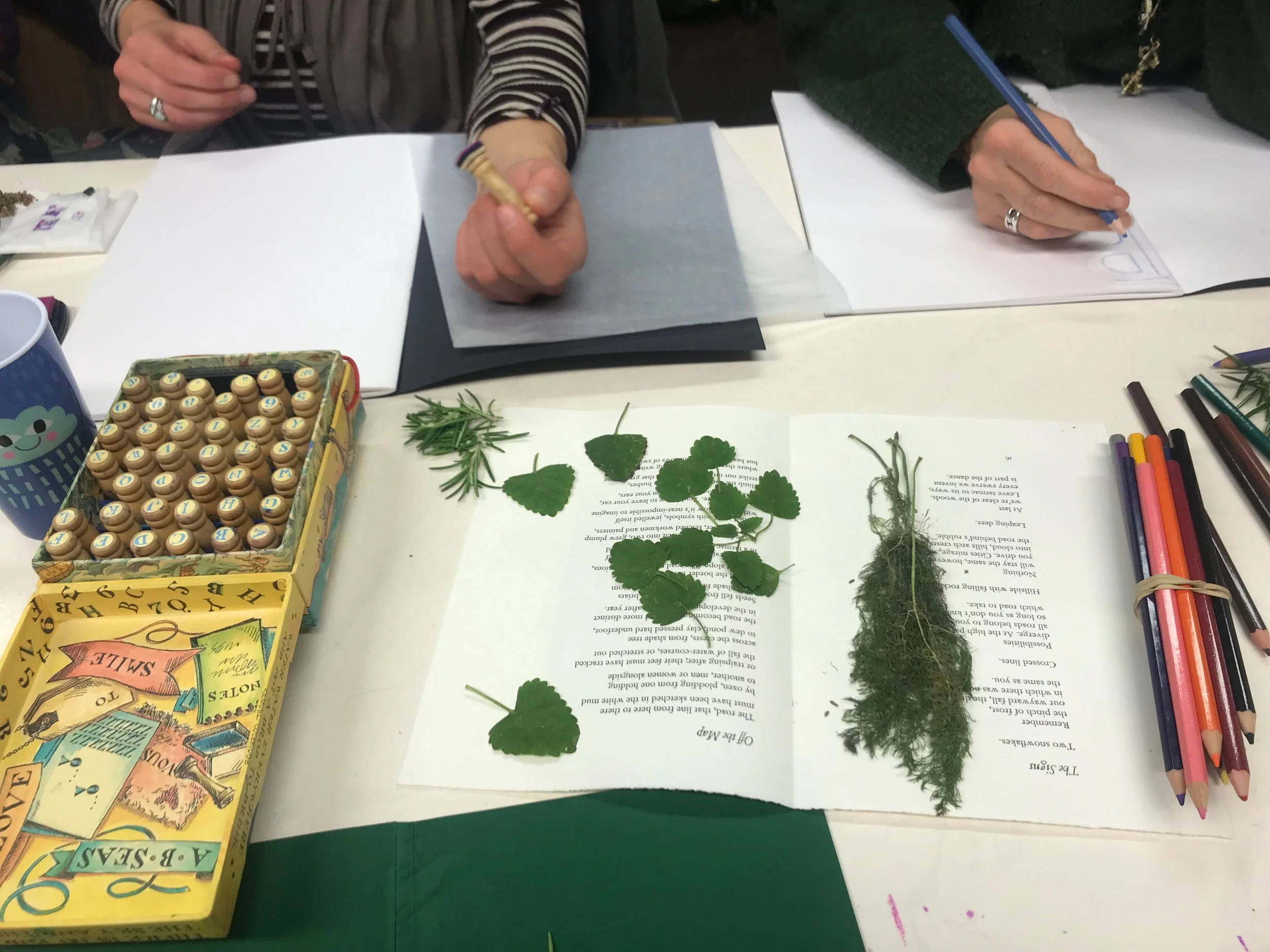
Your own course workbook with info sheets for each module, space for notes/drawing, resources & references
Learning materials - books, zines, info sheets
Connection with wider Community Apothecary activities, networks & resources outside of the course sessions
What you will need each session
Note-taking material: notebook, pens or pencils, phone/camera to take pics + cup or mug for tea
Weather appropriate clothing for outdoor sessions: warm or light layers, waterproof coat and footwear, footwear appropriate for uneven terrain
Water bottle and cup or mug for tea, for outdoor sessions
Packed lunch and snacks
The outdoor sessions will be held in all but extreme weather conditions.
Please let us know if you would like to discuss accessibility and possible adjustments.
Course leaders
Rasheeqa Ahmad
and Odhran G. Lawlor
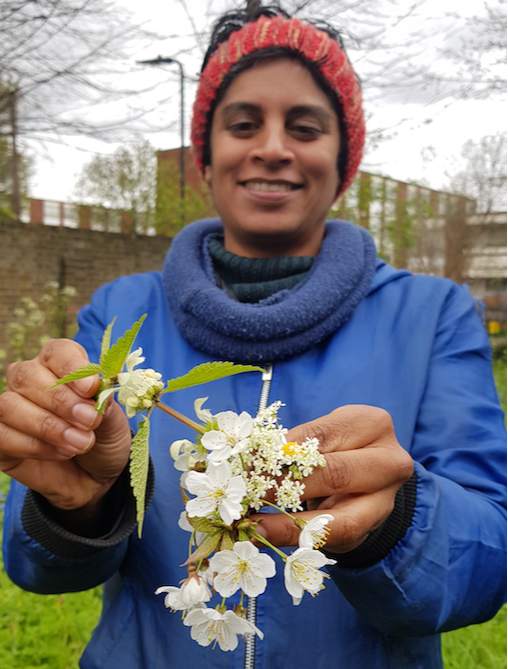
Rasheeqa (she/her), Hedge Herbs is a medical herbalist practicing in London since 2012. Having studied at the Scottish School of Herbal Medicine in Glasgow & qualified from Middlesex University in London, she offers treatment with herbal medicine and has taught about its many aspects for the last 10+ years, alongside a wider mix of work whose aim is connecting us as communities with the potential of this knowledge and craft as a way to develop healthier living systems and relationships. She co-founded Community Apothecary around 2018 and continues to develop the project with Odhran, Jayne & Jonny.
Odhran (they/them), Mordica Herbs is a medical herbalist who graduated in 2025 from Betonica in Somerset and has worked with the Community Apothecary since then. Their interest in herbal medicine is heavily influenced by movements of medical self-advocacy and supporting varied levels and entry-point of access to healthcare. Since 2021, they have been part of the Mobile Apothecary. They also nurture a special interest in the roles of herbal medicine in trans health and culture. They see patients through their clinic Mordica Herbs and hold workshops throughout London.
Pricing and Additional information
The full course costs £485 per person for 7 sessions for 2027 as our pilot year. From 2028, the cost of the course will have a notable increase.
If you are unwaged or on a low income, there are two discounted places at £200 per person. This will be offered to the first two people applying with limited financial security or receiving benefits such as Universal Credit.
Refund policy
There is a non-refundable enrolment fee to secure your place on the course. This fee is 1/3 of the total price of the course. This corresponds to £162 for the full price and £67 for the discounted price.
Before 1st February 2026: If your circumstances change and you can no longer take part in the course, you can request a refund to any additional payment made over the enrolment fee, minus a £20 admin fee.
After 1st February 2026: We won’t be able to give any refund after this date considering how close it is to the start of the course.
We are unable to provide refunds or partial refunds in the case of late cancellations or missed sessions. If a session is postponed for any reason, we will reschedule it.
If you have any questions about the above, please contact us at the following email: communityapothecary.wf@gmail.com